Opening: 21 April 2026, 6 PM
In recent years, visual artist Zsuzsi Simon has explored expectations, taboos, and stereotypes related to gender roles. She often uses her own body and experiences as a medium, thereby directly and sensitively linking personal and social issues. A hallmark of her feminist approach is her view that the female body is both an experiential and a political space.
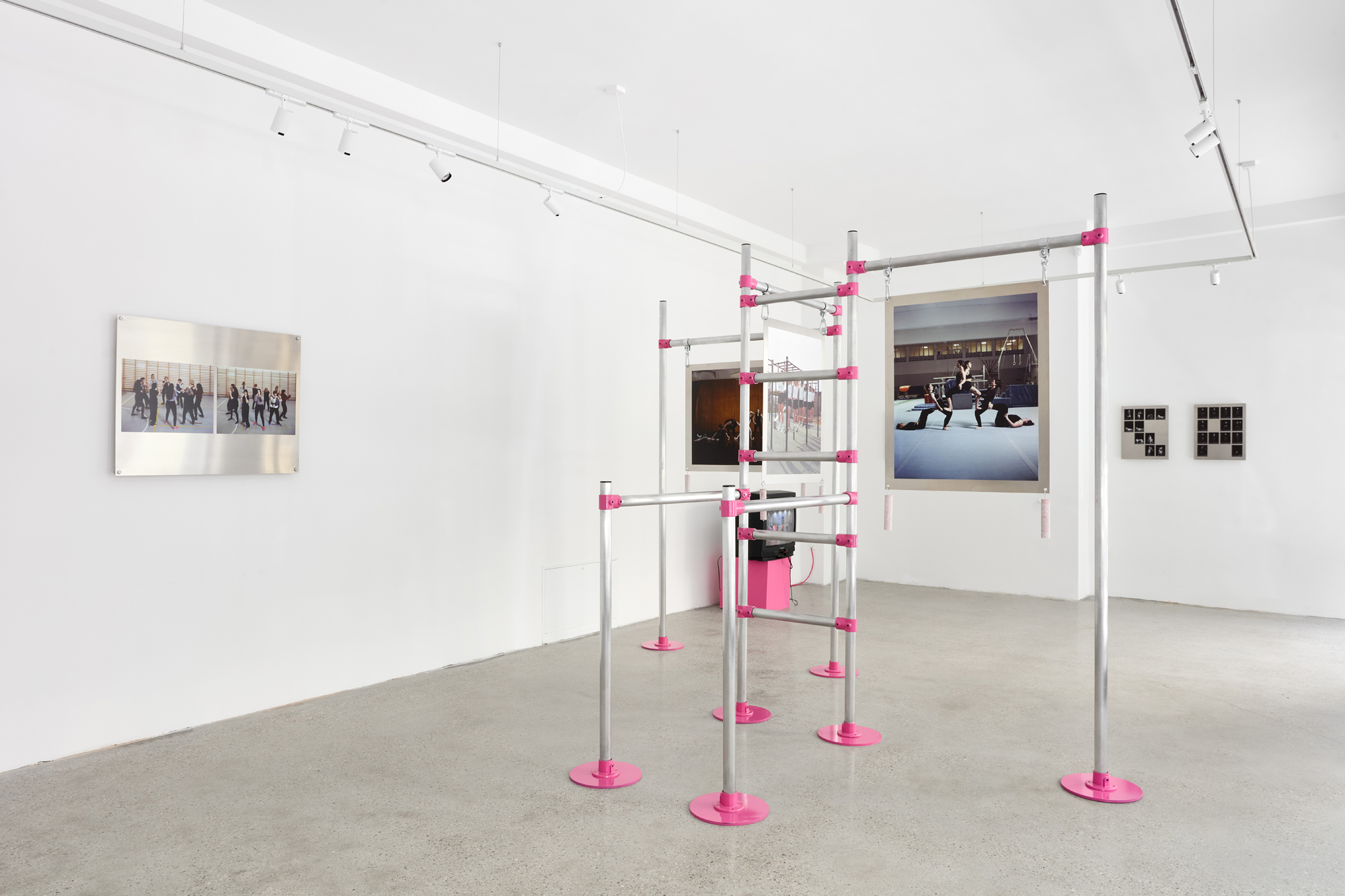
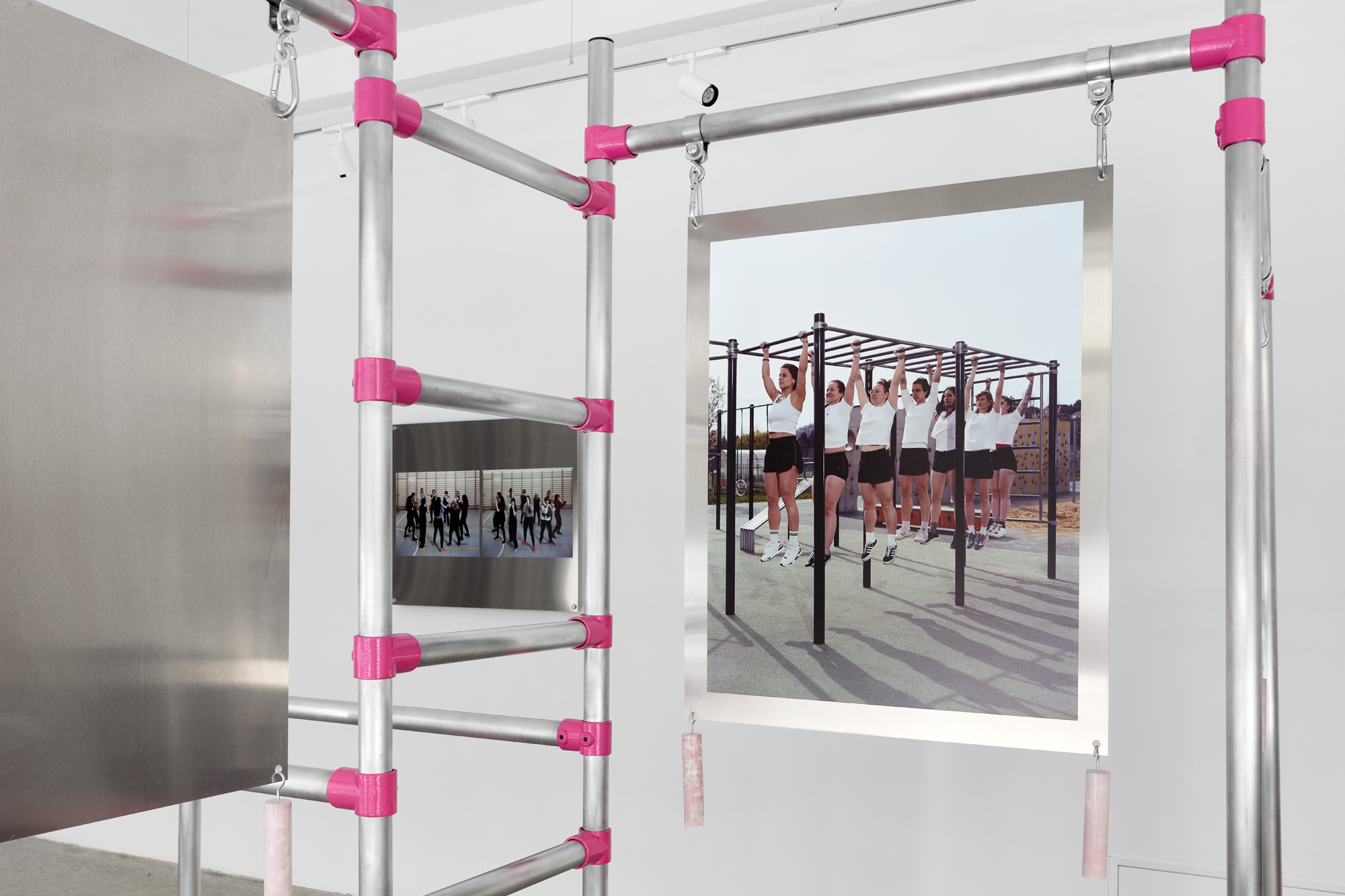
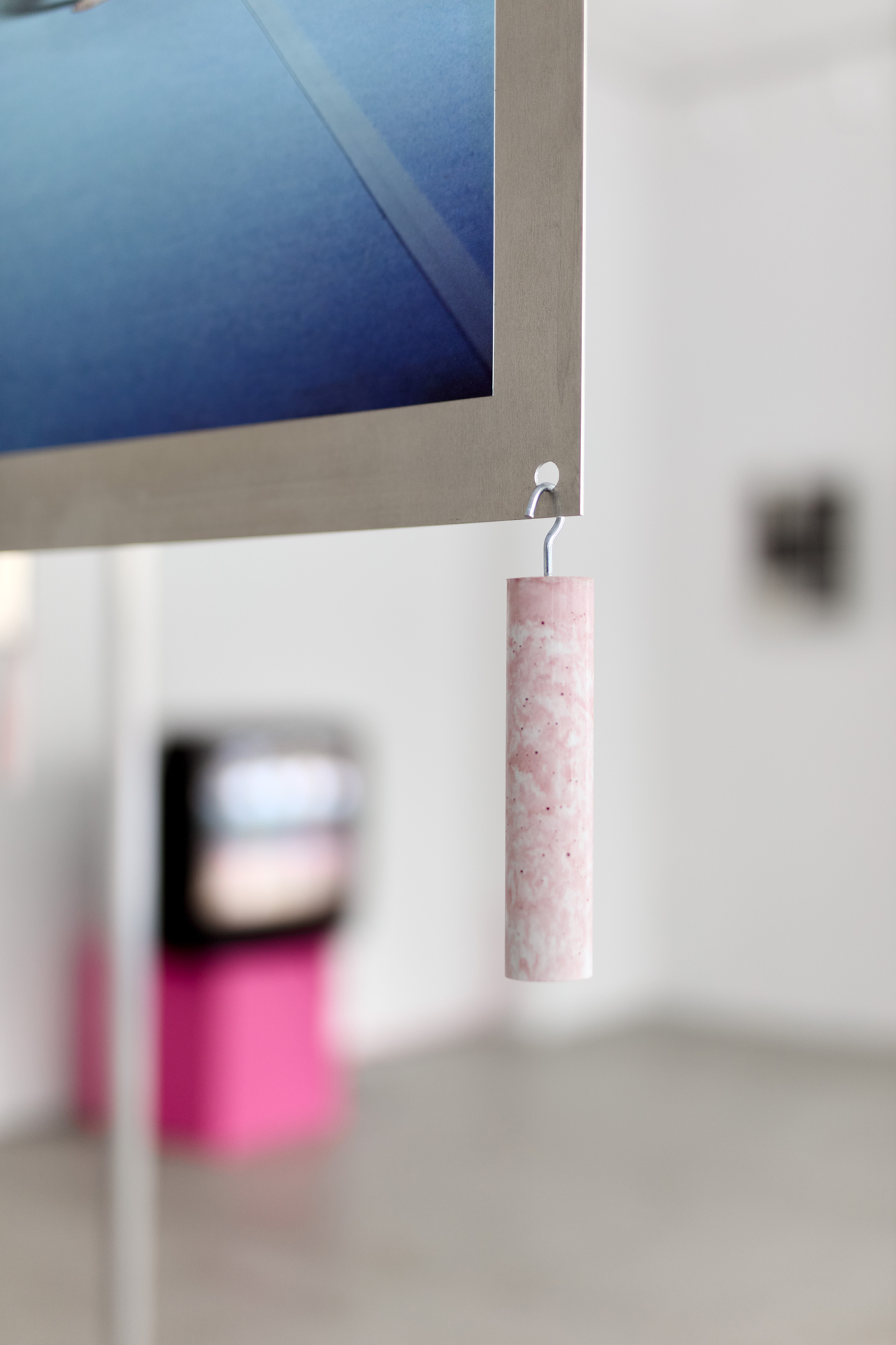
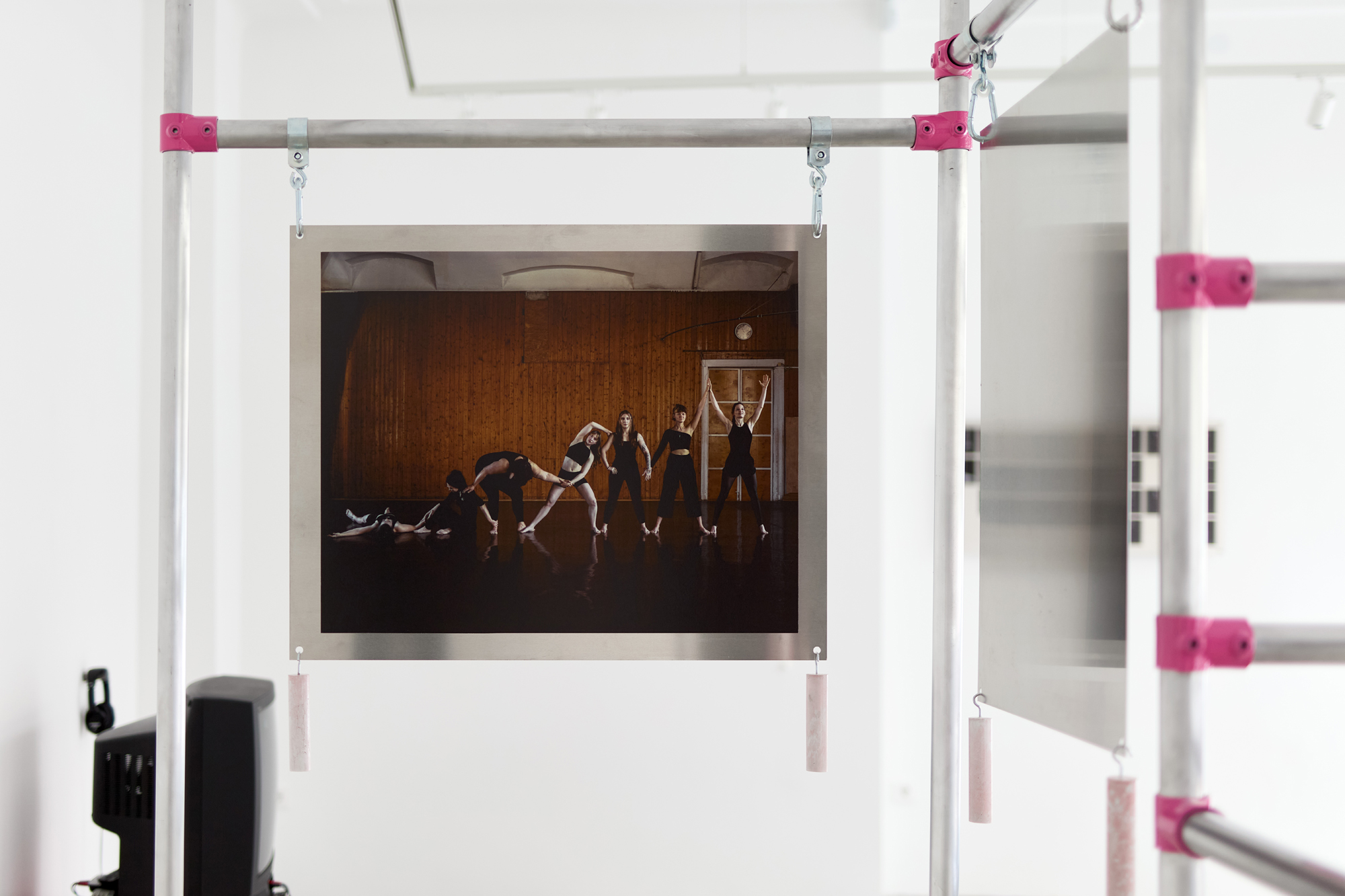
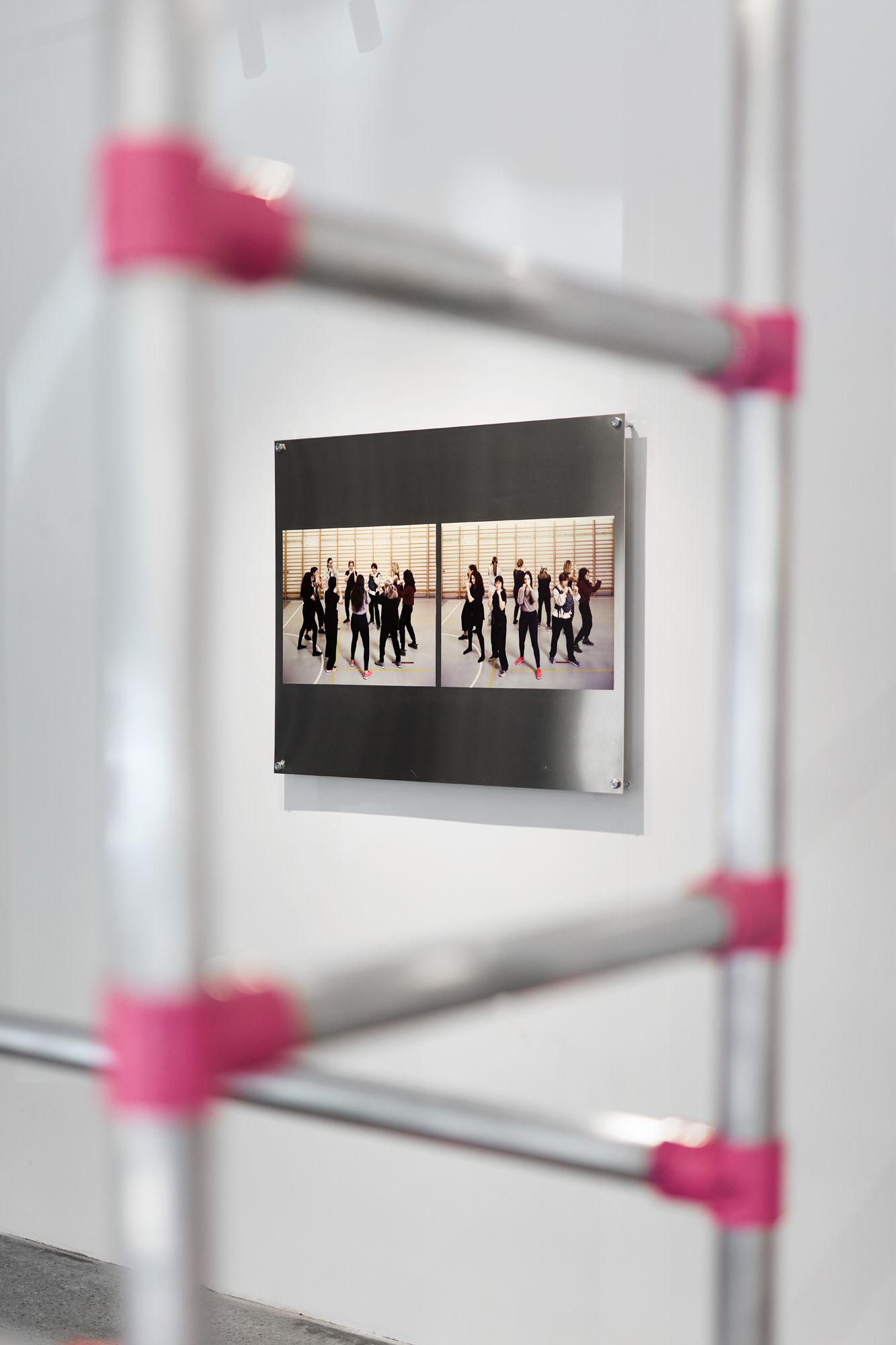
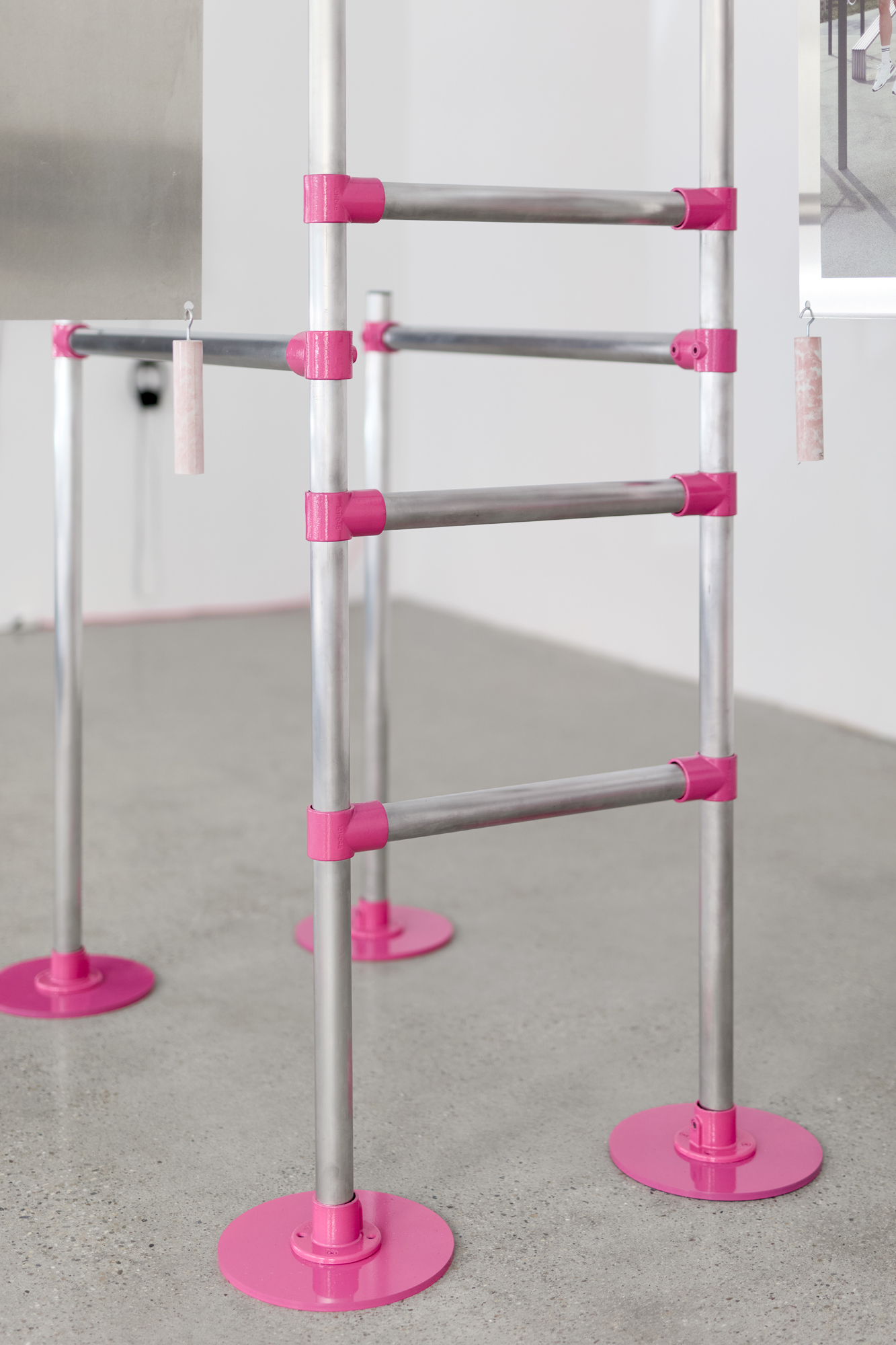
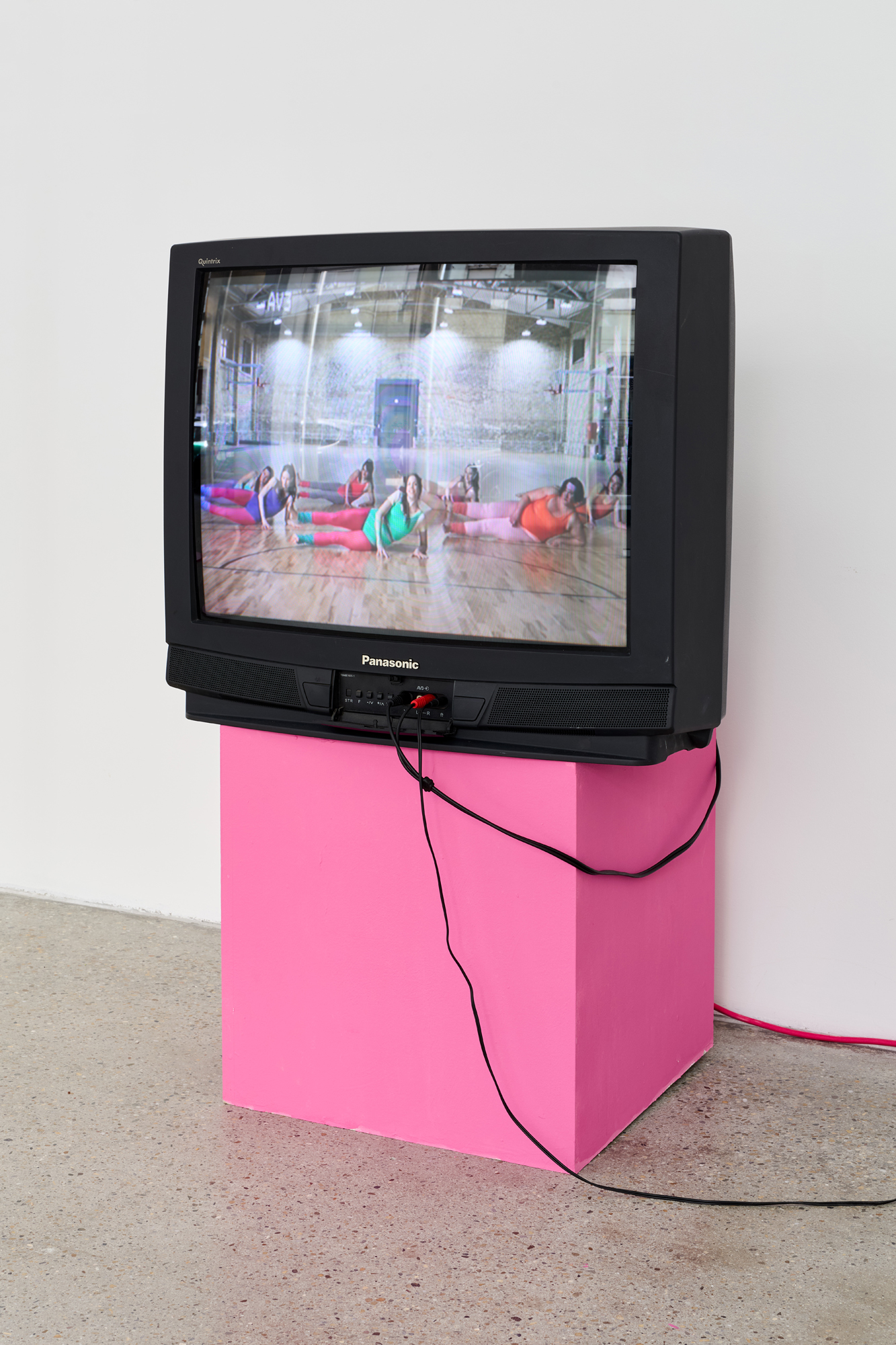
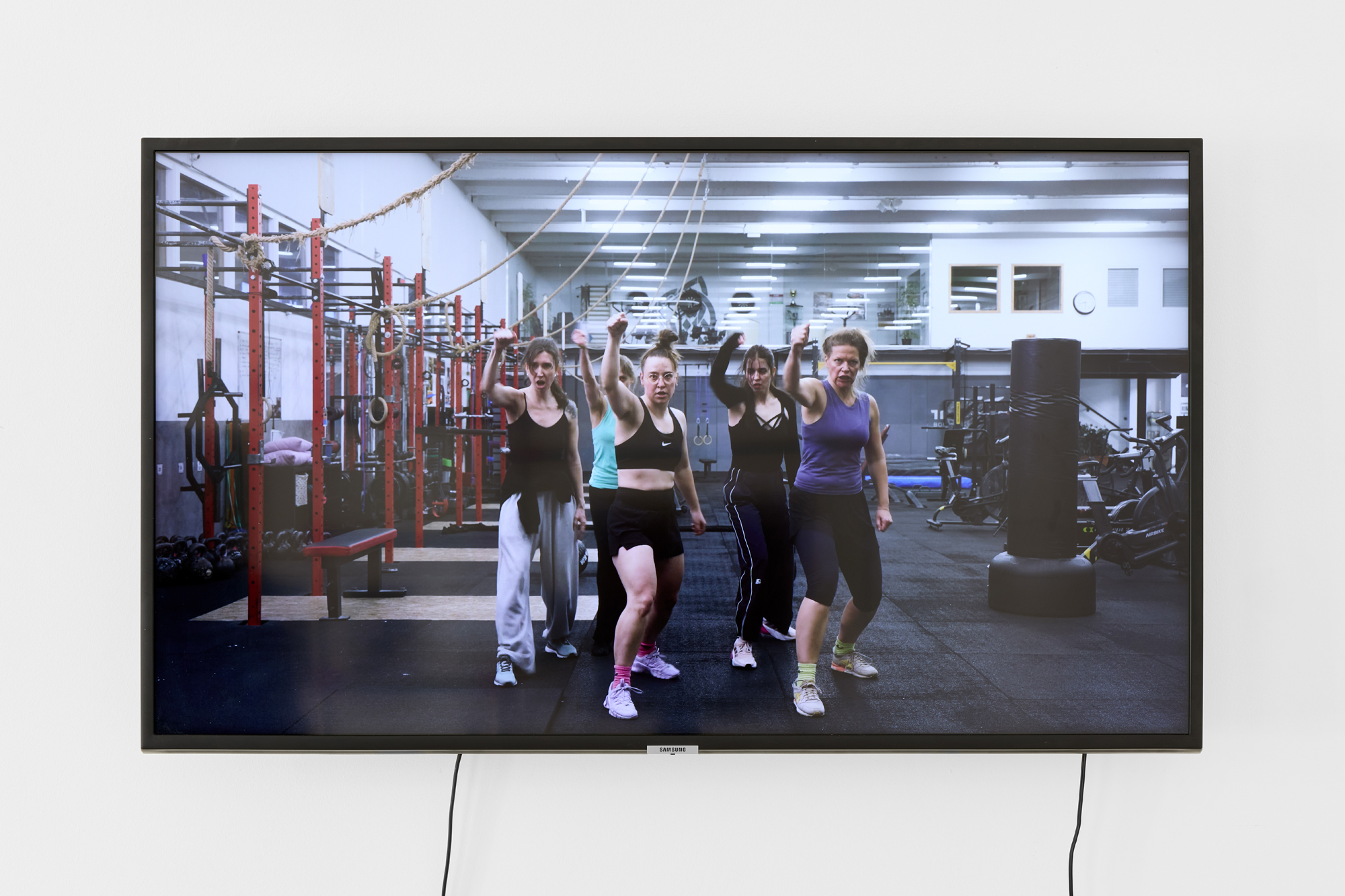
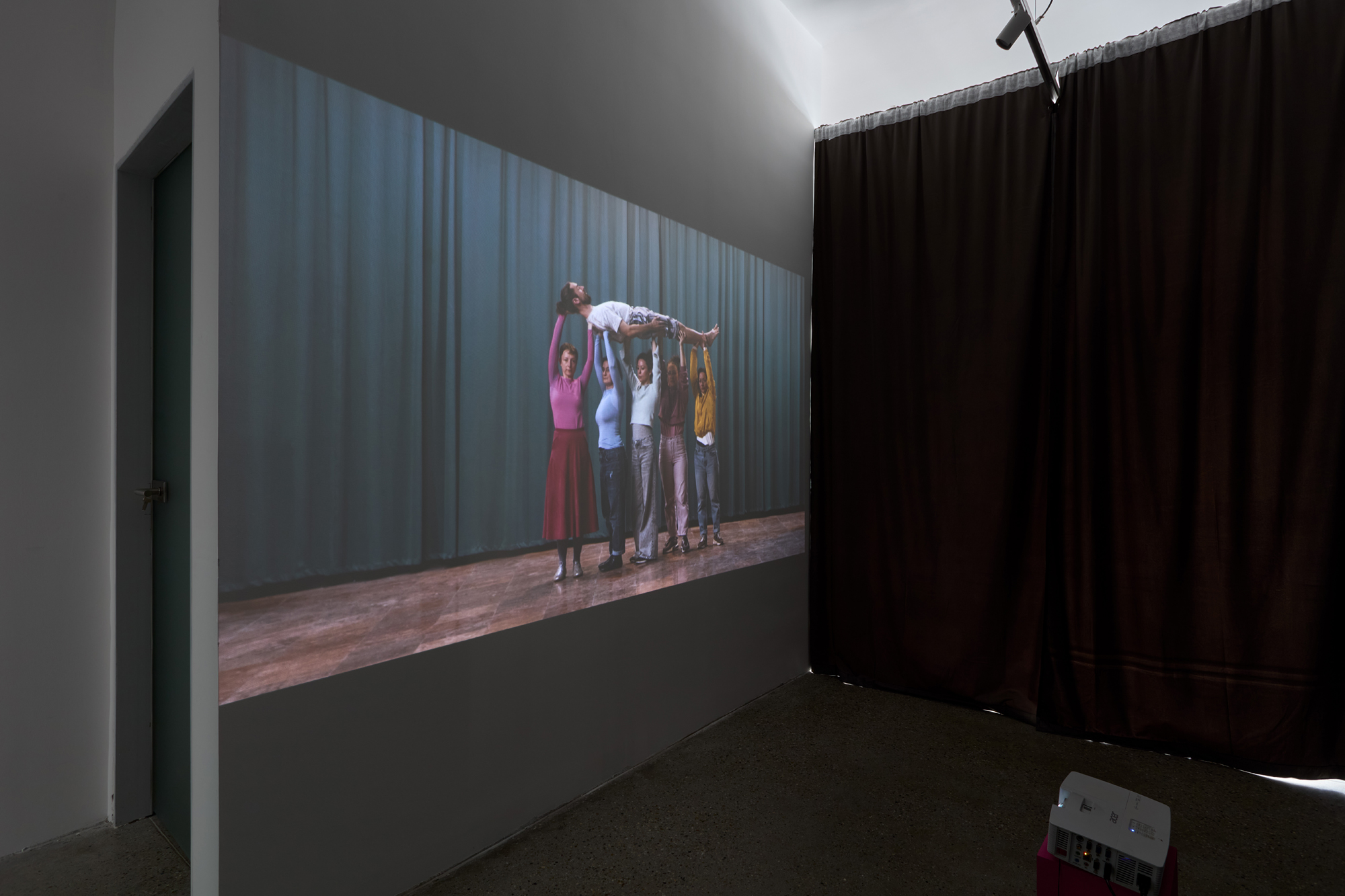
Her new works focus on female strength, which manifests not only in the life of the individual but also in the functioning of contemporary women’s communities. She invited women who are active athletes and aware of their strength to collaborate, so that through movement, they could jointly explore the possible manifestations of strength in everyday, conflict-ridden, tense, or even traumatic situations. Experiencing the body—through the demonstration or reenactment of various gymnastic exercises—serves as an artistic method that opens the way to exploring contemporary meanings of “female strength.”
The project raises questions that focus on the interrelationships between gender, the body, representation, and power. What is the relationship between the images of muscular, sexy “superwomen” conveyed by visual culture and everyday reality? How can anger—labeled as destructive and irrational—be transformed into liberating energy capable of reshaping social relations? And what do strength and letting go mean in undervalued areas such as care work, housework, or self-care?
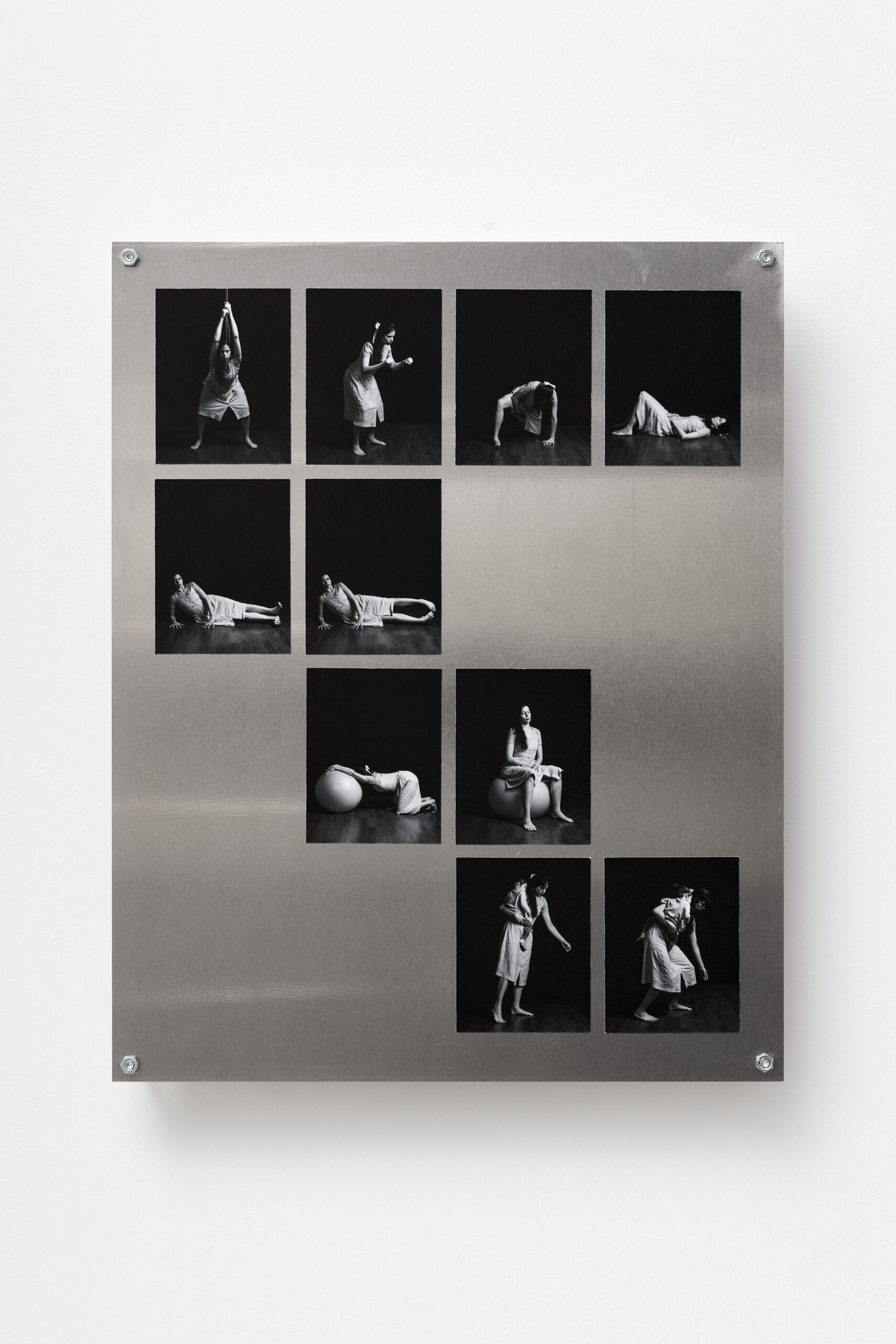
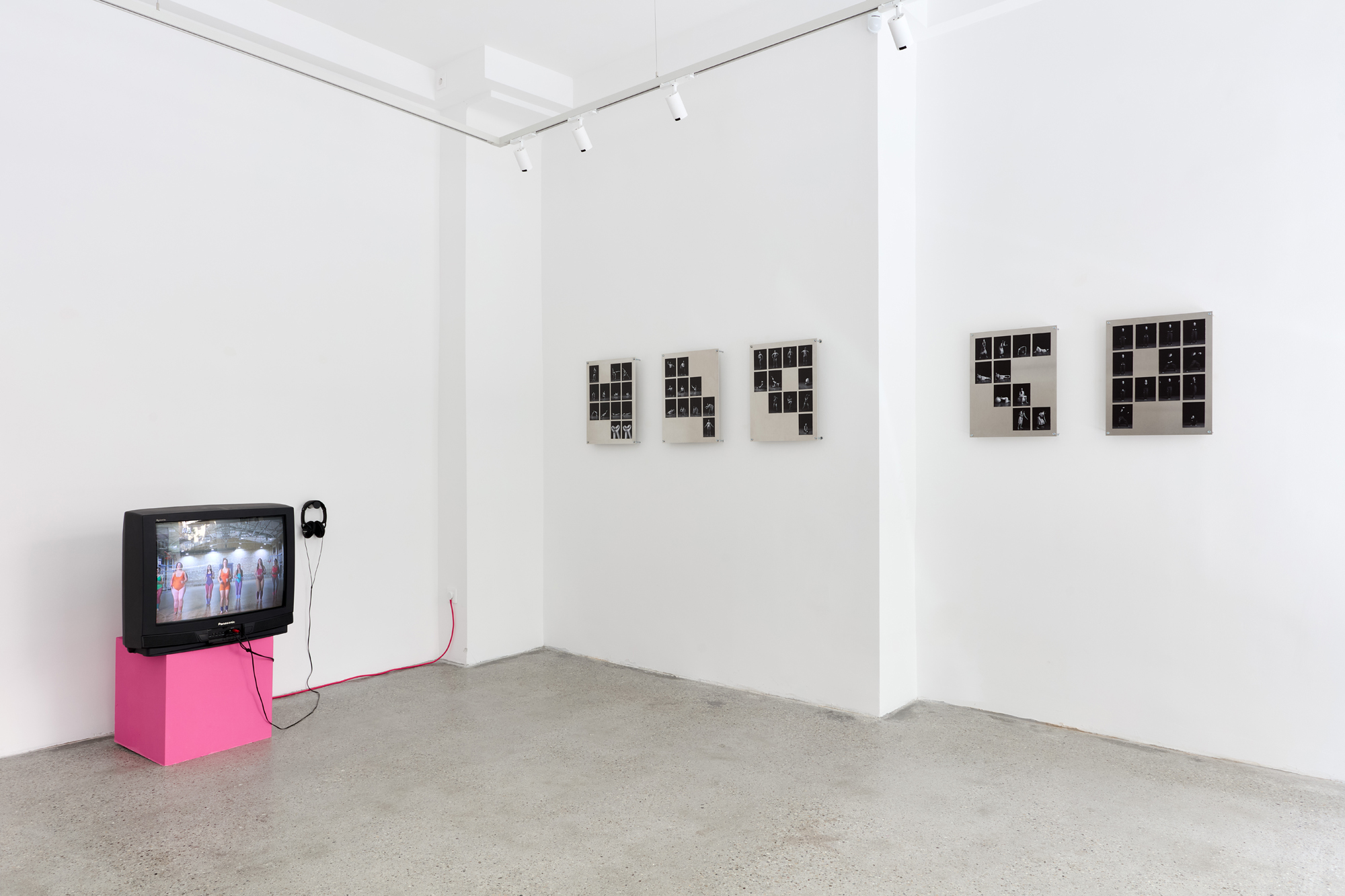
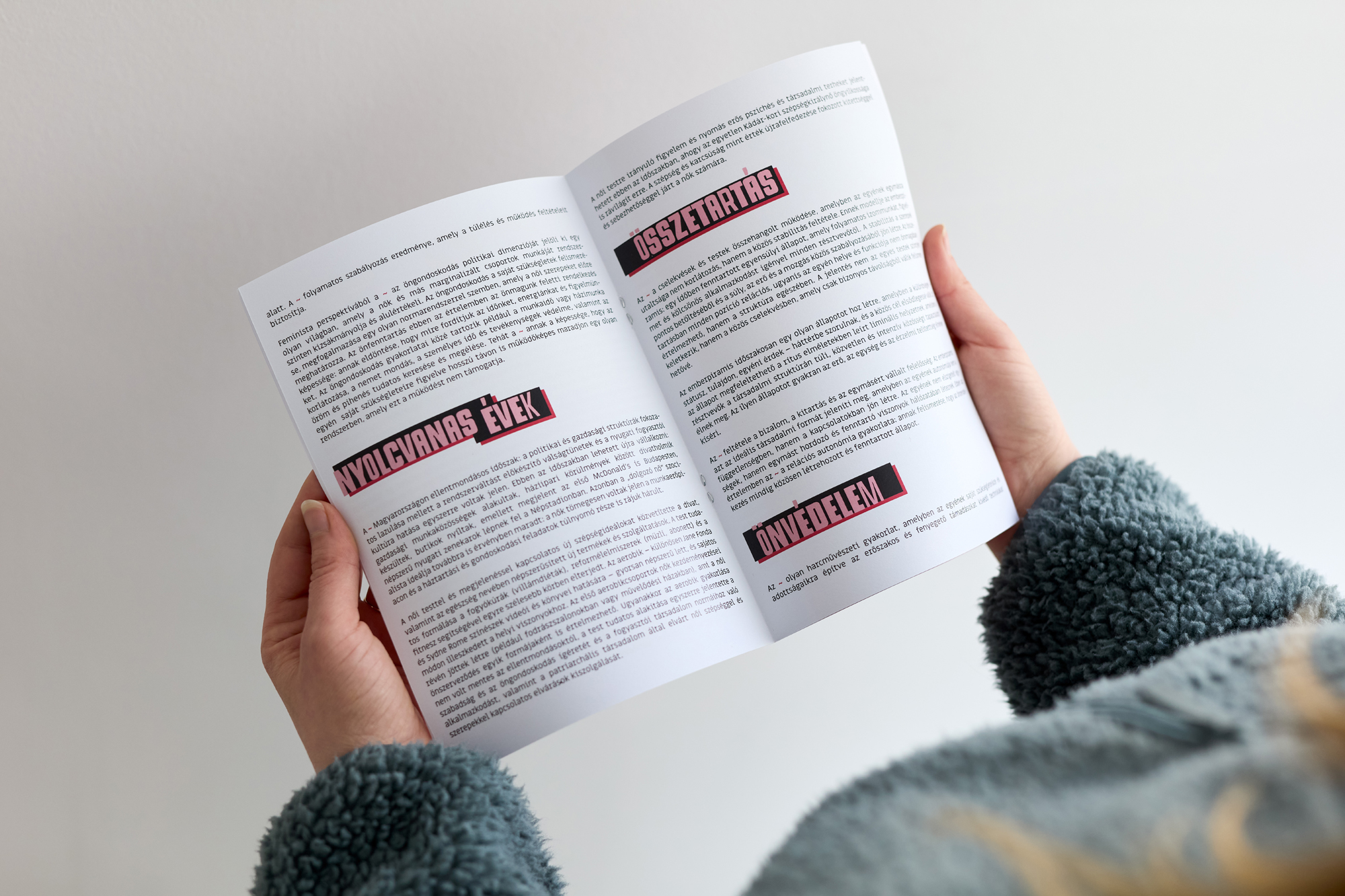
The visual world of the works consciously reflects on the historical traditions of physical culture, such as the emergence of female strongwomen in 19th-century circuses, gymnastics displays expressing community spirit, lifestyle books, and the aerobics movement of the 1980s. While the photographs and videos evoke the aesthetics of these phenomena, the exercises created and performed together also shed light on normative and exclusionary mechanisms.
In the context of the exhibition, female power is thus not a static, essential category, but a culturally and historically evolving concept that emerges through the continuous renegotiation of norms and expectations. As for the female experience, it does not necessarily manifest itself in spectacular physical performance, competition, or violence, but rather becomes perceptible in perseverance, determination, resilience, anger, and the maintenance of community, which also includes the conscious acceptance of vulnerability and the ability to let go.
Curator: Judit Csatlós
The exhibition will open with a performance by ZeroPlus DanceWorks.
Contributors to the creation of the works:
Noá Nógrádi, Zita Thury, Réka Ágnes Tóth, Imre Vass, ZéróPlusz Dance Works
We would like to thank the following for their assistance in realizing this project:
Gyula Berger, Benedek Bognár, Máté Csapody, László Donkó, Tamás Erdélyi, Zsuzsanna Hurtos, Endre Koronczi, Gábor Kristóf, Lili Nyíri, Zoltán Pólos, Dániel Podányi, Károly Simon, Renáta Szikra
Special thanks to those who participated in the research and the exercise sessions:
Zsófia Albrecht, Flóra Aranyi, Izabella Baditz, Bella Balogh, Orsolya Balogh, Edit Barta, Anna Rebeka Bogya, Zita Borbély, Borbála B. Boros, Rachel Casiel, Diana Darabos, Andrea Fajgerné Dudás, Veronika Fazekas, Ilka Fedor, Zsófia Frazon, Vera Győr, Ági Horváth, Nina Sára Horváth, Villő Juhász, Eszter Kajtár, Lilla Kallós, Jázmin Aglája Kósa, Franciska Körtvélyesi, Kinga Kcsks, Brigi Konda, Eszter Lázár, Boróka Lipka, Réka Lőrincz, Szilvia Magyarvári, Ilda Márovits, Luca Ménesi, Brigi Mester, Barbara Miller, Katalin Molnár, Mesi Mucsi, Brigitta Muladi, Zsófia Nemes, Noá Nógrádi, Dóra Ormándlaki-Kovács, Diána Pejtsik, Szilvia Pléh-Farkas, Rebu Rácz, Judit Flóra Schuller, Katalin Zsanett Sipos, Kinga Tóth, Timi Török, Éva Szakál, Flóra Szánthó, Fanni Varga, Veronika Vas, Judit Wirth
Graphic design: Zoltán Pólos
Supporters: Budapest Honvéd Sports Association, Eötvös Loránd University Faculty of Education and Psychology, Műhely Foundation